
Longmont has turned into one of the best food-and-drink towns on the Front Range, and that makes it strong ground for a food truck. We build custom food trucks, concession trailers, and mobile kitchens for Longmont operators out of our shop nearby, and we build them for a market that already knows good food and shows up hungry. If you are weighing whether to launch here or grow the rig you already run, this page walks through where trucks make money in Longmont, what we build, how the altitude and four seasons shape the build, and how the 2026 licensing changes affect you.
The Longmont market
Longmont sits at the top of Boulder County with a small piece reaching into Weld County, an hour north of Denver and a short hop from Boulder, Loveland, and Fort Collins. The city has grown past 100,000 people without losing the working, agricultural character of the St. Vrain Valley, and that mix is exactly why mobile food does well here. You have a walkable Main Street, a deep bench of employers, and a brewery culture that leans on food trucks night after night.
The taprooms are the clearest opportunity. Longmont has one of the densest craft beer scenes in the state, and most of these places pour beer without running a kitchen, so they bring in a truck to feed the room. Left Hand Brewing anchors the south side by the river, Wibby Brewing packs its pavilion with live music and a rotating truck lineup, and Bootstrap, Grossen Bart, 300 Suns, Skeye, and Collision all run steady food-truck calendars. A single reliable truck that these owners trust can build a full week just working brewery slots, and that recurring business is the backbone a lot of Longmont operators build on.
The employer base is the other half of the story. Seagate, IBM’s west-side campus on Highway 119, Lockheed Martin Space, the FAA, Smucker’s, Crocs, and a cluster of aerospace and advanced-manufacturing shops put thousands of people on the clock every day, and those campuses want lunch service, catered shift meals, and food for company events. Longmont United and UCHealth Longs Peak Hospital add more daytime demand. Weekday lunch at a business park pairs naturally with brewery and event nights, which is how a truck fills both ends of the day.
Then there is the event calendar. The Boulder County Fairgrounds host the year-round Longmont Farmers Market plus fairs, shows, and rodeos that draw crowds looking for food. Downtown runs Festival on Main, the Longmont Oktoberfest, Rhythm on the River, and a busy summer schedule, and the surrounding St. Vrain Valley farms, wedding venues, and neighborhoods like Prospect keep private catering steady. Between breweries, employers, and events, a Longmont truck rarely runs out of places to park.
Why Longmont operators order a custom build
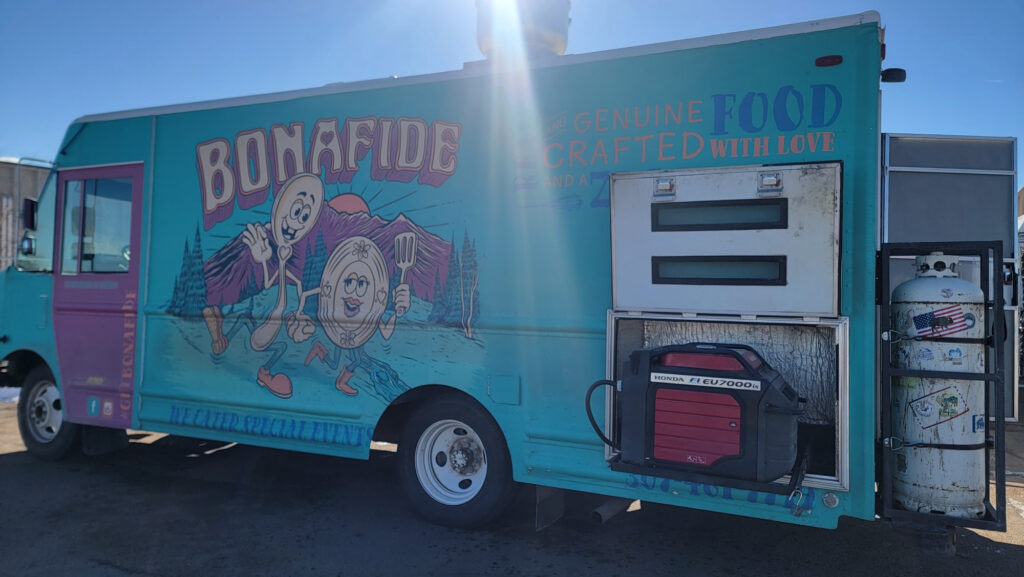
Most people who call us have already run the numbers on a used truck and found the same problem. The cheap ones on the market were built for someone else’s menu, and reworking a stranger’s plumbing, propane, and electrical usually costs more than it looks and still leaves you with a layout that fights you every service. When you are trying to move a line at a busy Wibby night or feed a shift change at Seagate, a kitchen that flows the way you cook is the difference between clean tickets and a backed-up window.
A custom build starts from your menu and your health inspection, not from whatever was already bolted down. We spec the cooking line, refrigeration, water system, and power around the food you actually sell, size the electrical so you are not tripping breakers on a full cook line, and lay out the workspace so two or three people can work without knocking into each other. It costs more than a bargain used rig up front, and it holds its value and its uptime far better over the years you run it.
What we build
We are a manufacturer, not a broker, so everything is built to order. Longmont operators come to us for:
- Custom food trucks. Full mobile kitchens on a truck chassis, built around your menu, with commercial cooking equipment, refrigeration, hoods, fire suppression, and fresh and gray water tanks sized for a real service.
- Concession and food trailers. A great fit if you already have a tow vehicle or want to spend the budget on the kitchen instead of the cab. Trailers park well at breweries and fairgrounds and give you more square footage per dollar.
- Specialty and beverage builds. Coffee trailers, dessert and shaved-ice rigs, bar and mobile taproom builds, and single-focus concepts like tacos, barbecue, or wood-fired pizza.
- Refurbished and rebuilt units. When a lightly used shell is the right starting point, we strip it back and rebuild the systems that matter so you get a dependable truck without a full new-build price.
Every build leaves the shop wired, plumbed, and finished to meet Colorado retail food code, so it is ready for inspection when it reaches you.
Built for the Front Range
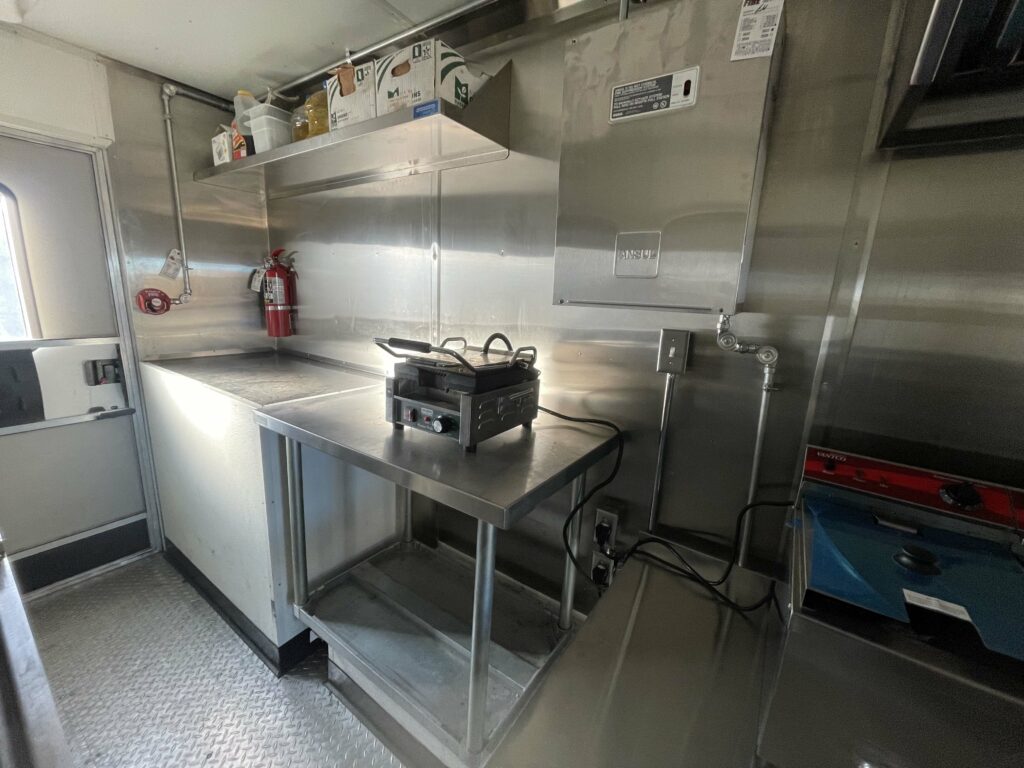
Longmont sits around 4,950 feet, milder than the high country but still high enough that a build has to account for it. Altitude changes how propane burners and generators perform, so we tune the gas system and size power with headroom instead of setting you up to run flat out on your busiest night. Thinner air also means less margin on your electrical, which is why we spec the generator and panel to carry your full load with room to spare.
Weather is the other design driver. Longmont gets real summer heat, hard winter cold snaps, and the downslope wind that rips through the northern Front Range, and a truck that only works in mild weather is a truck that sits idle half the year. We insulate for four-season service, protect and heat-trace water lines so they do not freeze on a January brewery shift, seal against wind-driven dust, and reinforce the parts that take a beating from washboard county roads and daily loading. If you plan to run past September, a good generator matters as much as any piece of cooking equipment, and our guide on choosing the right generator walks through how we size it.
Licensing in Longmont, and what changed in 2026
Longmont falls under Boulder County for health permitting, so your retail food license and inspections run through Boulder County Public Health rather than the city health office. Their food safety program issues the license, conducts the inspection covering food handling, temperature control, water supply, and waste, and signs off on your commissary agreement. Home kitchens are not allowed, so you will need a written agreement with a licensed commissary before permits are issued. On top of the health side you will handle city business and sales tax licensing and a fire inspection of your propane and suppression systems. Boulder County raised its license fees for 2026, so budget on the higher end and confirm the current numbers directly with the county before you plan.
The bigger news is at the state level. Colorado’s HB25-1295 took effect January 1, 2026, and it created statewide license reciprocity for mobile food. A single state retail food license from CDPHE is now valid in local jurisdictions across Colorado, and the Denver license is honored statewide in return, so you are no longer paying for a separate license in every city you want to work. There is a catch worth knowing: you still have to send a copy of your license to a local jurisdiction at least 14 days before you operate there, and you still follow local zoning, parking, and inspection rules. The law also made fire permits travel better, so a valid fire safety permit from a jurisdiction on aligned code has to be recognized elsewhere. For a Longmont truck that wants to chase events in Boulder, Loveland, Fort Collins, and the Denver metro, this is a real reduction in paperwork and cost. We build every truck to pass inspection the first time so you clear these steps without going back to the shop for rework.
Guidance for first-time buyers
If this is your first truck, start with the menu and the math before you fall in love with a layout. Nail down exactly what you will cook, how many covers you need to hit on a busy service, and where you plan to park most weeks, because those three answers drive the entire build. A brewery-slot taco truck and a corporate-catering barbecue rig are not the same machine, and building the wrong one is an expensive lesson.
Line up your commissary early, since Boulder County requires that agreement before it issues permits and it can hold up an otherwise ready truck. Budget past the truck itself for licensing, insurance, a point-of-sale setup, initial inventory, and working cash for your first slow weeks. And talk to the builder before you commit to equipment, because a good manufacturer will steer you away from over-buying gear you will not use and toward the pieces that actually move your line. We would rather build you a truck that fits your first two years honestly than sell you more truck than your menu needs.
On video: trailers we built for Boulder County
Frequently asked questions
How much does a custom food truck cost in Longmont?
A custom food truck runs about $65,000, and a concession trailer generally lands between $40,000 and $55,000 depending on your equipment and finish. Price moves with the cooking line, refrigeration, and power you need, so the exact figure comes out of speccing your menu. We give you an itemized quote before anything is built.
How long does a build take?
Plan on roughly six weeks from the time the build is locked in, depending on the chassis and equipment lead times. We source the truck or trailer, build out the kitchen, and deliver the finished unit to Longmont.
Do I need a commissary to run a food truck in Longmont?
Yes. Boulder County Public Health requires mobile food operators to work out of a licensed commissary and does not allow home kitchens. You will need a signed commissary agreement before your permits are issued, so set it up early.
Does the 2026 state license let me work outside Longmont?
It helps a lot. Under HB25-1295, a state CDPHE mobile food license is now recognized across Colorado jurisdictions, so you can work Boulder, Loveland, Fort Collins, and the Denver metro without buying a separate license in each city. You still notify each local jurisdiction at least 14 days ahead and follow their zoning, parking, and inspection rules.
Can you build a truck that runs through a Colorado winter?
Yes, and for Longmont we recommend it. We insulate for four seasons, protect and heat-trace water lines against freezing, and size the generator and propane system for the altitude so the truck performs on cold, windy nights instead of only in summer.
Do you build concession trailers as well as trucks?
We do. Trailers are a strong choice if you already have a tow vehicle or want more kitchen space per dollar, and they park well at Longmont’s breweries and the Boulder County Fairgrounds. We build trucks, trailers, specialty and beverage rigs, and refurbished units.
Start your Longmont build
We build for operators across Northern Colorado, and Longmont is right in the heart of it. If you are ready to talk through a truck or trailer, tell us your menu and where you plan to run and we will map out a build and a real quote. Explore more of our Northern Colorado builds, see what we do for neighbors in Boulder and Loveland, or check the full cost breakdown. Call us at 720-209-2653 or start your build today.
Recent builds near Longmont
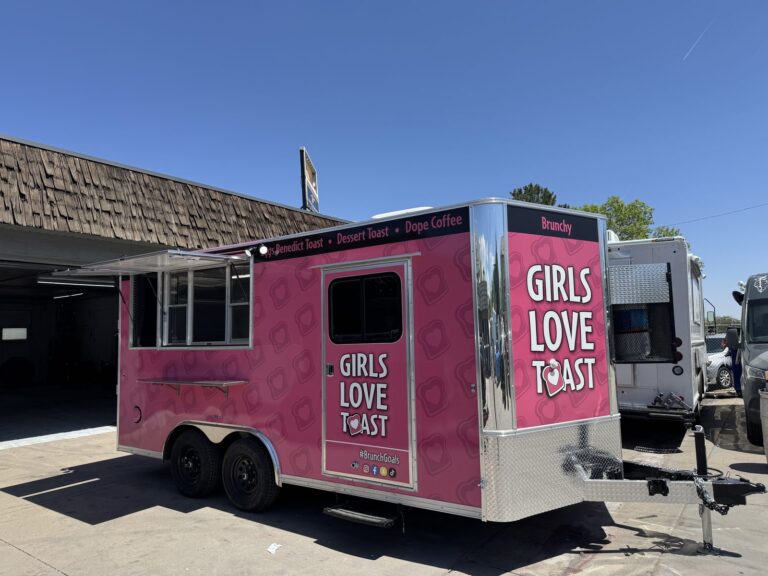
Approved by Boulder County to operate as its own commissary, with 75 gallons of fresh water and 90 of grey.
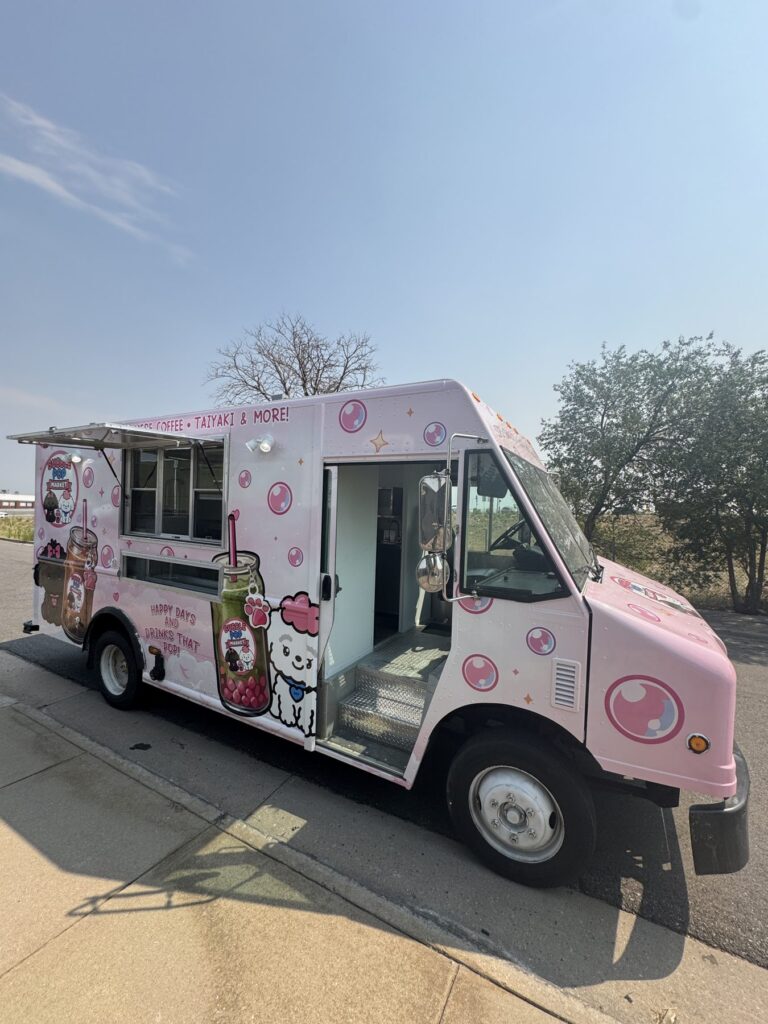
A drinks truck built around water, ice and three power sources, with a second window that pays for itself.
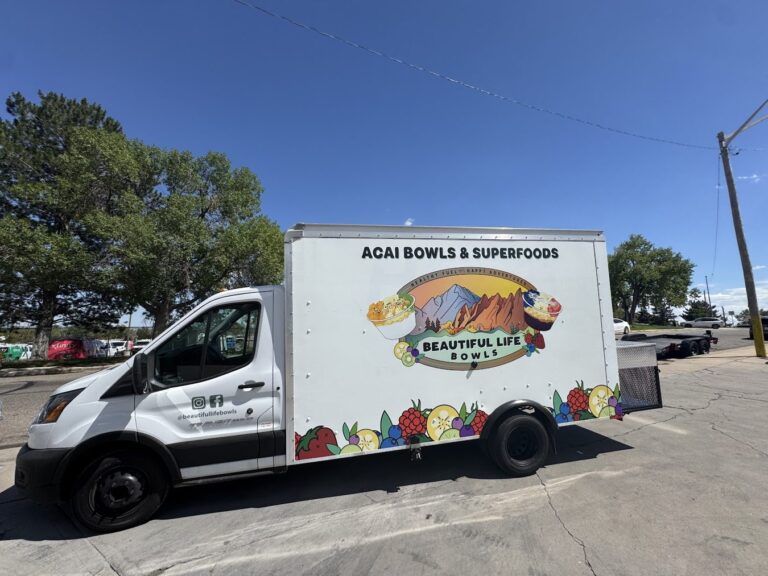
The owners brought the Transit box truck and the equipment; we built the water, power, window and generator box.
Recent Comments